Composite Deck by Home Smith WI
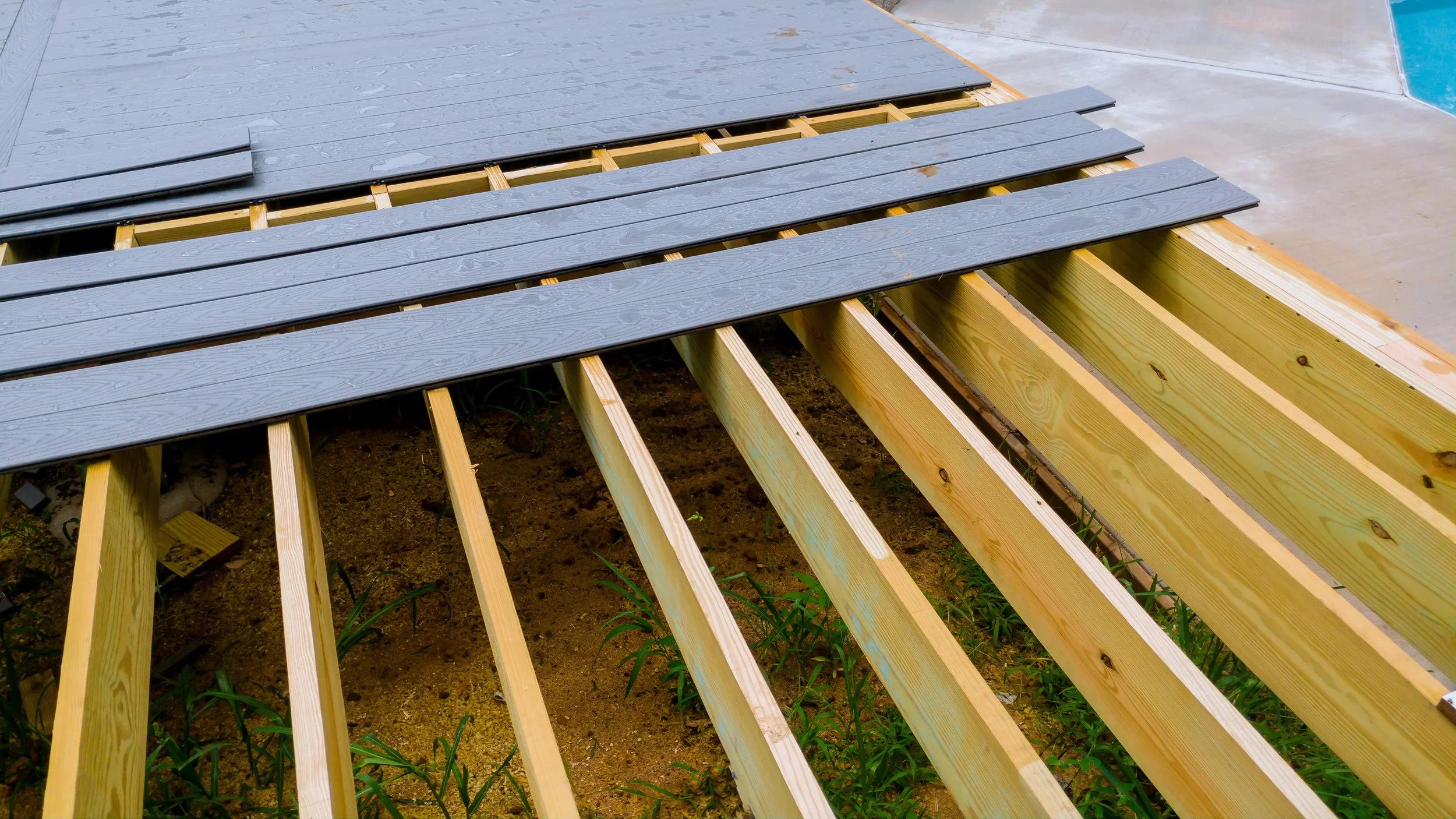
At Home Smith, we design and build custom composite decks that combine the timeless appeal of wood with the long-lasting durability of modern materials. Whether you’re replacing an old deck or starting from scratch, composite decking offers a smart investment that enhances your home’s beauty, function, and value.
What Is Composite Decking?
Composite decking is made from a blend of recycled wood fibers and plastics, engineered to resist rot, warping, splintering, and fading.
It gives you the look of natural wood without the constant sanding, staining, and sealing.
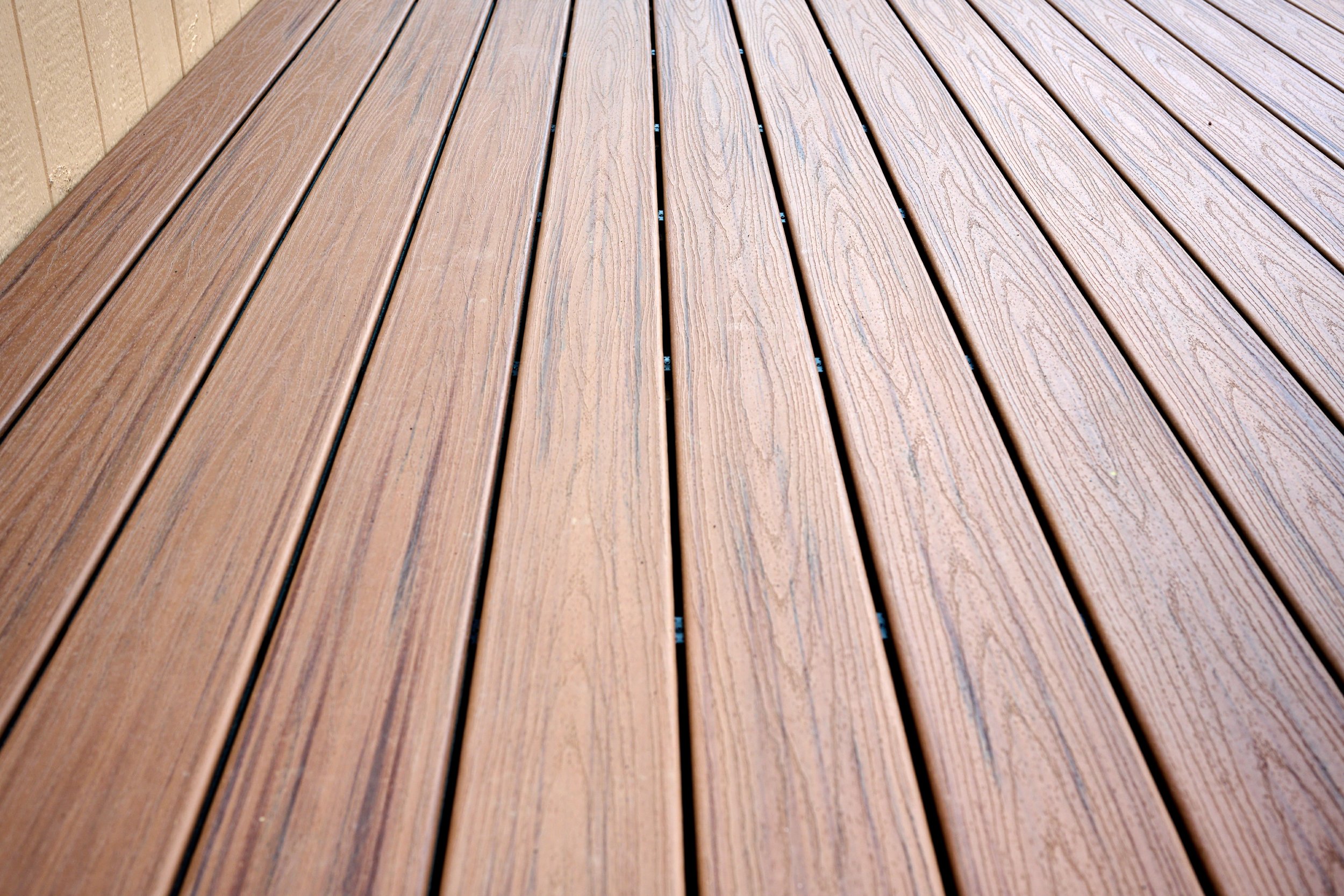
Leading brands like Trex, TimberTech, Deckorators, and Fiberon come in a wide range of colors, textures, and finishes to suit any style.
Q: Can composite decks get slippery?
Composite boards are designed with textured surfaces that resist slipping, even when wet. We can also recommend high-traction finishes for added safety.
Q: Does it get hot in the sun?
Composite decking can get warm, but modern products use lighter pigments and heat-resistant technology to stay cooler than older generations.
Why Choose Composite Over Wood?
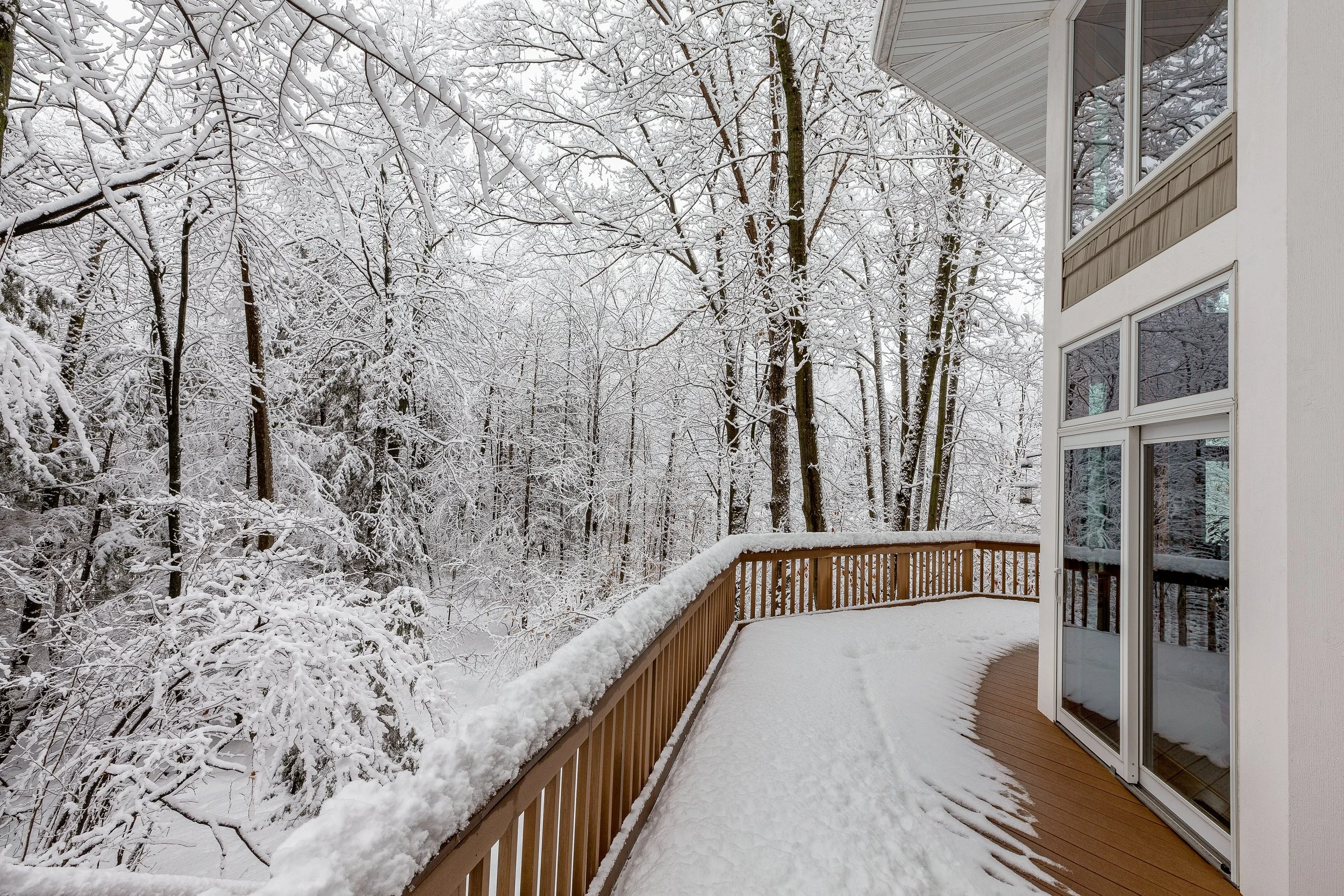
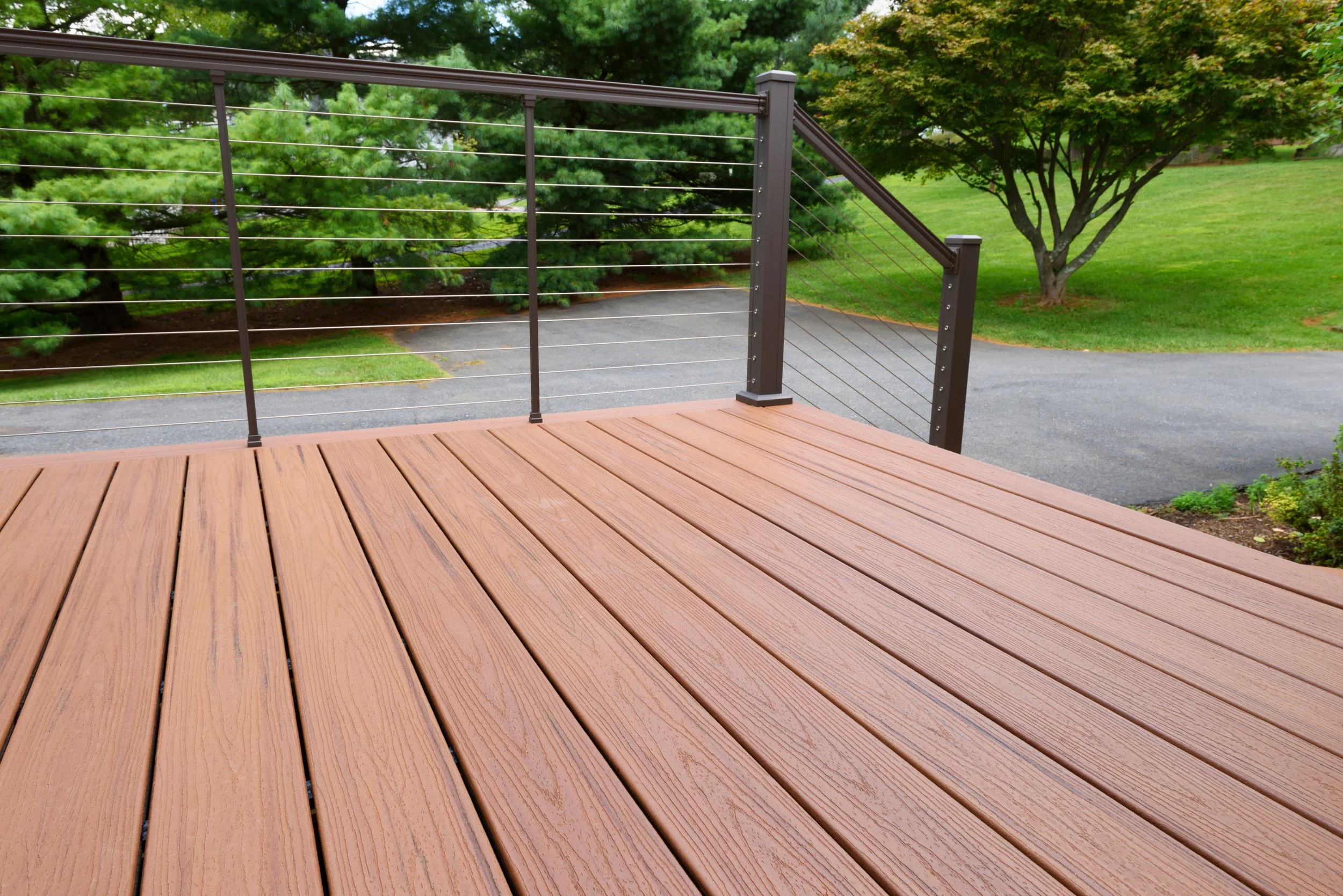
Composite decking offers long-term value and convenience that traditional wood simply can’t match. It requires only simple cleaning with soap and water—no sanding, staining, or sealing needed—making it an ideal choice for busy homeowners. Composite decks typically last 25 to 50 years, far outpacing the 10 to 20-year lifespan of most wood decks. They’re engineered to resist rot, warping, splintering, and fading, even through Wisconsin’s changing seasons.
Many composite materials are made from recycled wood fibers and plastics, making them an eco-friendly alternative to freshly harvested lumber. They also come in dozens of fade-resistant colors and textures, giving you more design flexibility with virtually no maintenance. While the initial investment is higher than wood, composite decking pays for itself over time through lower upkeep costs, long-term durability, and consistent beauty year after year.